

Quick answer
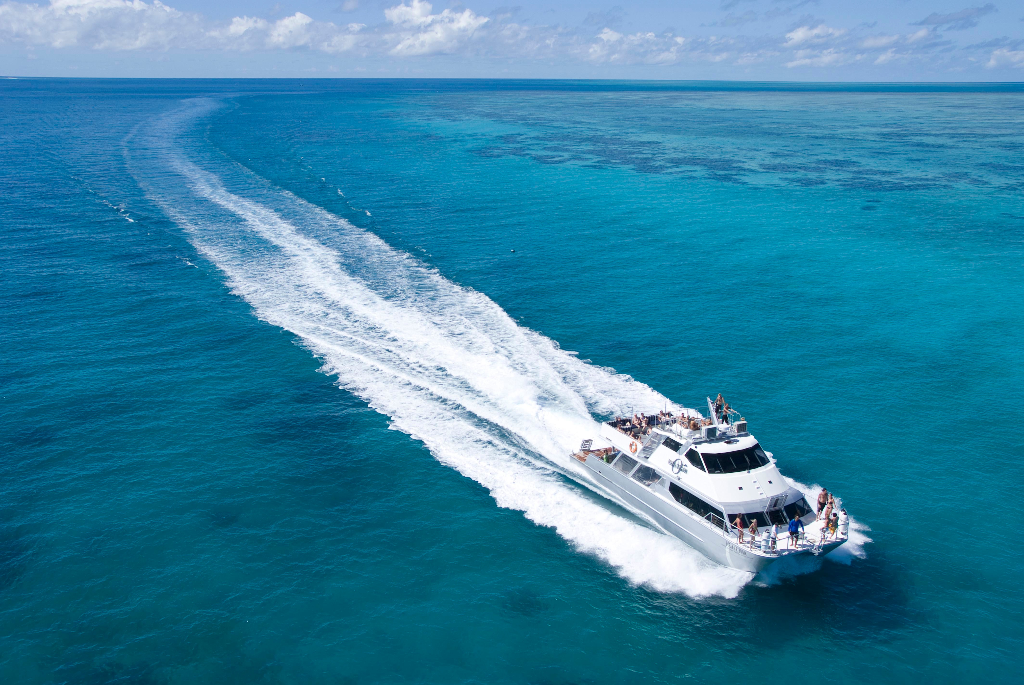
Most reef operators depart Cairns between 7:00 AM and 9:00 AM, reaching outer reef sites in 90 minutes to 2.5 hours depending on the destination. High-speed catamarans reach popular reefs like Agincourt Ribbon Reef in approximately 90 minutes, while pontoon platforms at sites such as Moore Reef require closer to 2 hours. Inner reef locations accessible from Port Douglas or Palm Cove can be reached in 60–90 minutes.
The Great Barrier Reef Marine Park spans 344,400 square kilometers, yet most Cairns-based operators concentrate on a 60-kilometer corridor of outer reef sites where coral health and visibility remain consistently high. Journey duration from Cairns hinges on three factors: vessel speed, sea state, and the specific reef coordinates targeted that day. Fast catamarans departing Cairns Marina between 7:00 AM and 8:00 AM typically reach Agincourt Reef, Flynn Reef, or Milln Reef within 90 to 110 minutes. These outer shelf reefs offer superior water clarity and biodiversity compared to inshore fringing reefs, justifying the longer crossing. Larger pontoon-equipped vessels serving Norman Reef or Moore Reef require 2 to 2.5 hours, trading speed for onboard stability and deck space. The cairns to great barrier reef time calculation must account for mandatory safety briefings conducted during transit, reducing effective snorkeling or diving hours at the destination. Departure timing directly affects sea conditions. The 7:00 AM to 9:00 AM window precedes the daily southeast trade winds that build through midday, particularly between May and October. Operators schedule return crossings for early to mid-afternoon, ensuring passengers complete water activities before wind-driven chop increases. An 8:00 AM departure typically allows four to five hours on-site before the 2:00 PM or 3:00 PM return leg begins. The Environmental Management Charge of 8.50 AUD per person funds reef conservation and monitoring programs administered by the Great Barrier Reef Marine Park Authority. This fee applies to all commercial reef visits and is universally included in tour pricing. Vessels must maintain VHF contact with Reef VTS (Vessel Traffic Service) throughout the journey, a protocol introduced after 2020 to coordinate emergency response across the marine park's 2,900 individual reefs. Understanding the cairns to great barrier reef time framework allows travelers to align departure schedules with personal priorities—early starts favor photographers chasing optimal light, while mid-morning departures suit families prioritizing sleep over an extra hour underwater.
“The 7:00 AM to 9:00 AM departure window precedes the daily southeast trade winds that build through midday, ensuring calmer crossings and better on-reef conditions.”
Cairns To Great Barrier Reef Time And Visit Planning
Most full-day reef tours from Cairns follow a similar rhythm: 60–90 minutes each way by boat, with 3–4 hours at the reef itself. This timeline applies to outer reef pontoons and moored sites; inner reef trips may shorten transit to 45 minutes but offer less coral diversity.
Check-In and Boarding
Arrive at the Cairns marina for check-in and safety briefing. Most operators depart between 07:30 and 08:30, so plan for 30 minutes of pre-departure formalities.
Outbound Transit to Reef
The boat journey to outer reef sites typically takes 60–90 minutes depending on weather and destination. Use this time to fit snorkel gear and review marine life guides provided on board.
First Snorkel Session
Enter the water for your first session, usually 60–75 minutes. Visibility is best in morning light, and guides will point out coral bommies and resident fish species.
Lunch on Board
Return to the vessel or pontoon for a buffet lunch. Most tours include this meal, and it provides a rest period before the second dive or snorkel.
Second Reef Exploration
A second snorkel or optional dive, often at a different mooring or reef section. This session runs 45–60 minutes and targets deeper coral walls or turtle cleaning stations.
Return Journey Begins
Board for the return trip to Cairns. The journey takes another 60–90 minutes, with crew offering light refreshments and trip photos for purchase.
Arrival Back in Cairns
Disembark at the marina. Factor in time to rinse gear, collect belongings, and arrange onward transport if needed.
Optimal Cairns To Great Barrier Reef Time For Visibility
The best arrival window is 07:00–09:00, as early departures provide superior water conditions and visibility before afternoon winds typically increase. Choosing the right season is equally important for balancing calm seas with seasonal marine life activity.
June to August
ModerateDry season with mild temperatures 18°C–26°C.
These months offer stable conditions and lower humidity, ideal for snorkeling.
September to November
HighWarm and dry with 22°C–30°C.
This period features excellent water clarity and remains before the onset of the wet season.
December to March
HighHot and humid with 24°C–32°C.
This is the wet season, which may bring occasional rain and increased stinger activity in the water.
Early Morning
Low to Moderate—
The 07:00–09:00 window consistently offers the calmest water surface and highest visibility for reef activities.
Verdict: For the highest probability of calm conditions and peak visibility, aim for an early morning arrival between 07:00–09:00 during the months of September or October.
Logistics For Cairns To Great Barrier Reef Time And Transit
Most visitors depart for the Great Barrier Reef from the Cairns Reef Fleet Terminal, located on the Cairns waterfront. This hub serves as the primary departure point for commercial vessels traveling to the outer reef.
Walk to Cairns Reef Fleet Terminal, Spence St
Travel via A1 or local roads to city centre parking
Depart via high-speed catamaran from Reef Fleet Terminal
Pre-Visit Checklist For Your Cairns To Great Barrier Reef Time
Preparation ensures you maximize your time on the reef and avoid common hiccups with bookings, marine park requirements, and onboard comfort.
-
Book your reef tour in advance — Popular operators sell out days ahead, especially during peak season.
-
Confirm your departure marina and time — Most tours leave Cairns between 07:00–09:00; late arrival means missing the boat.
-
Pack reef-safe sunscreen and a rash guard — Chemical sunscreens damage coral; physical barriers offer better protection.
-
Bring motion sickness tablets if prone — Open-water crossings can be choppy, particularly in afternoon wind.
-
Verify what's included in your tour cost — The 8.50 AUD Environmental Management Charge is usually bundled but confirm before departure.
-
Carry your booking confirmation and photo ID — Operators require proof of reservation and identification for check-in.
-
Wear secure, non-slip footwear for boarding — Wet decks and pontoon transfers demand closed-toe shoes with grip.
Check availability
FAQs: Cairns to Great Barrier Reef Time & Logistics
Everything you need to know about cairns to great barrier reef time